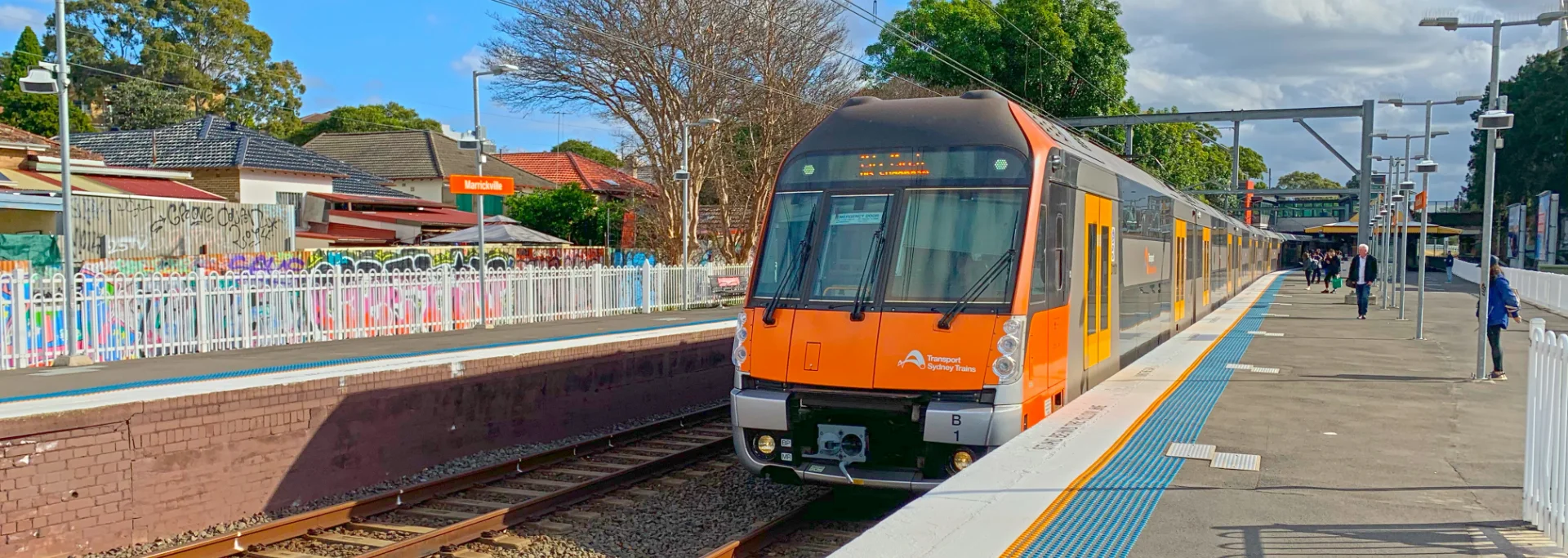
What the Sydney Metro Southwest Means for Property Owners in Bankstown and Surrounding Suburbs
Sydney Metro Southwest is one of the most significant transport changes to affect Bankstown and the surrounding Canterbury-Bankstown area in years.
As at August 2026, the Southwest extension of the M1 Metro Line is targeted to open in the second half of 2026. The project converts the former Bankstown Line between Sydenham and Bankstown to metro services, improving connections between South-West Sydney, the CBD and major employment centres across the city.
For property owners, buyers and investors, the important question is not simply whether the Metro will increase property prices.
The more useful question is how improved transport, changing buyer behaviour, new planning controls and ongoing development could influence the wider Canterbury-Bankstown property market over time.
What Is Changing With Sydney Metro Southwest?
The Southwest Metro corridor includes stations at Marrickville, Dulwich Hill, Hurlstone Park, Canterbury, Campsie, Belmore, Lakemba, Wiley Park, Punchbowl and Bankstown.
According to Sydney Metro, services are expected to operate frequently during peak periods while providing direct connections through the Sydney CBD and towards North Sydney, Chatswood and Macquarie Park.
Bankstown has also undergone major station and interchange works, strengthening its role as one of the key transport and commercial centres in South-West Sydney.
For residents, this means easier access to more parts of Sydney. For the property market, it can influence how buyers and renters compare Bankstown with suburbs closer to the CBD.
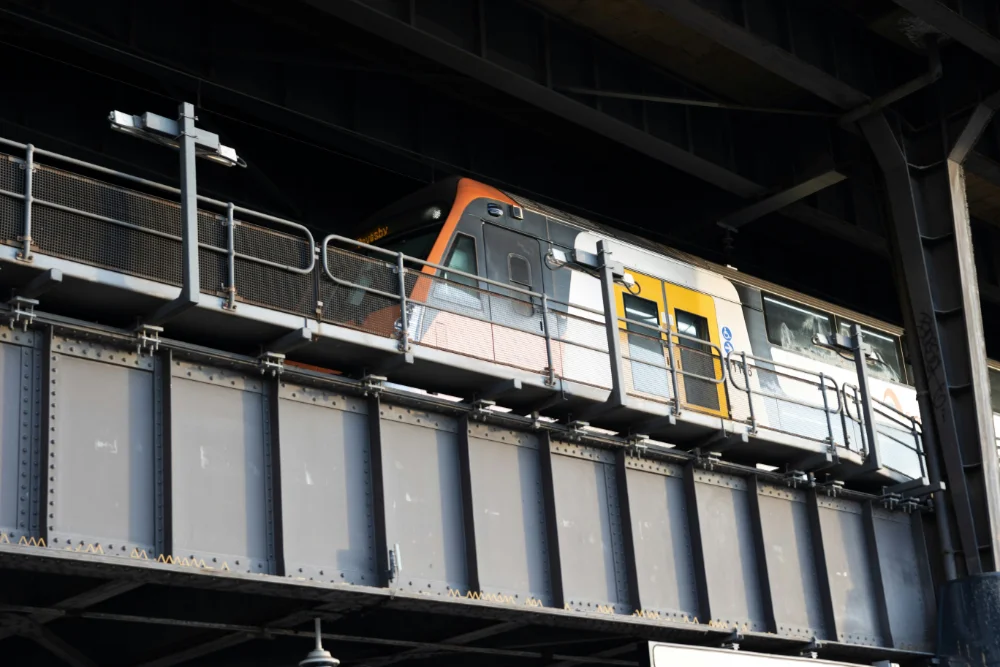
Better Transport Can Broaden Buyer Demand
Transport accessibility is one of many factors buyers consider when choosing where to live.
A suburb that offers a more convenient commute can become practical for buyers who may previously have concentrated their search elsewhere.
That could benefit parts of Bankstown, Punchbowl, Lakemba and other suburbs along the Metro corridor, particularly properties where residents can easily walk or connect to a station.
For people working in the CBD, North Sydney, Chatswood or Macquarie Park, improved transport could make South-West Sydney more attractive without requiring them to sacrifice access to major employment areas.
This does not mean every property will receive the same benefit.
A house on a quiet residential street, an apartment beside a station and a development site may all respond very differently to changing buyer demand.
Property owners should therefore assess how the Metro strengthens the particular advantages of their property rather than relying on broad claims about future price growth.
Owners wanting a clearer understanding of their local position can explore Class Realty’s Bankstown property market information and surrounding service areas.
Bankstown’s Growth Is Bigger Than the Metro
The Metro is only one element of Bankstown’s longer-term transformation.
The Bankstown City Centre Master Plan outlines significant future growth across housing, employment, public spaces, education and local services.
Planning changes around the city centre are designed to accommodate thousands of additional homes and jobs over time.
This matters because transport infrastructure and development often influence each other.
Better connectivity can support additional housing and employment, while population growth can attract more businesses, services and investment.
For existing property owners, these changes can affect the character of surrounding streets, future housing supply and the types of buyers or tenants searching in the area.
Which Surrounding Suburbs Could Benefit?
The clearest influence is likely to be seen in suburbs directly located on the Metro corridor.
Nearby suburbs
Suburbs without their own Metro station can still benefit indirectly.
Greenacre, Yagoona, Condell Park and Georges Hall remain closely connected to Bankstown through roads, buses, shopping and local services.
For example, buyers looking at Greenacre real estate may value being near Bankstown’s transport hub without necessarily wanting to live immediately beside a major station precinct.
This is why the Metro should be viewed as a regional improvement rather than something that only affects properties within walking distance of the train line.
Will Sydney Metro Southwest Increase Property Prices?
Possibly, but it would be misleading to say that the Metro automatically increases the value of every nearby property.
Property values are influenced by many factors, including:
- land size and zoning
- property condition
- housing supply
- street position
- school access
- interest rates
- borrowing capacity
- buyer competition
- local development
- wider Sydney market conditions.
Transport convenience can add to the attractiveness of a property, but it remains only one part of the overall equation.
Some properties may benefit more strongly because of station proximity. Others may attract family buyers who care more about land, quiet streets or schools.
There may also be additional apartment and housing supply around transport hubs as planning changes take effect.
Property owners should therefore focus on the individual strengths of their property rather than assuming there will be a universal “Metro premium”.
What Does This Mean for Sellers?
For sellers, improved Metro connectivity can become a useful part of a property’s marketing story.
Depending on the location, relevant selling points may include:
- walking distance to a Metro station
- direct transport towards central Sydney
- access to Bankstown CBD
- proximity to shopping and services
- nearby infrastructure investment
- future development within the area.
The key is relevance.
A home in a quieter family-oriented pocket should still be marketed around the features buyers are most likely to value. The Metro may strengthen the overall proposition without becoming the entire sales message.
If you are considering selling, Class Realty can help identify the features currently attracting buyers in your part of the market. Learn more about selling your property with Class Realty.
What Does the Metro Mean for Landlords?
Improved transport can also make an area more attractive to tenants.
Renters frequently prioritise commuting time, station access, nearby shops and convenient connections to employment or education.
This could support rental demand for well-positioned properties around Bankstown and the Metro corridor.
However, landlords should also consider future housing supply.
New apartments and developments can create additional competition, meaning presentation, pricing and property management remain important even in well-connected areas.
Class Realty’s property management services can help landlords assess rental demand, pricing and tenant expectations within the local market.
Planning Changes May Matter Just as Much
Another factor property owners should watch is planning.
The NSW Government’s Transport Oriented Development Program is designed to encourage additional housing around well-connected transport locations.
For some owners, changing planning controls may eventually have a greater effect on their property’s potential than the Metro service itself.
However, being close to a station does not automatically mean a property can be redeveloped.
Zoning, building height, floor space ratios, lot dimensions, heritage restrictions and other controls can all affect what is possible.
Anyone considering redevelopment or selling a site based on development potential should confirm the planning controls applying to the exact property and obtain appropriate professional advice.
Should Owners Sell Before or After the Metro Opens?
There is no single correct answer.
Major infrastructure projects can influence buyer sentiment before they officially open because buyers already know the improvement is coming.
Waiting until the Metro opens does not necessarily guarantee a better sale price.
Similarly, selling before opening does not necessarily mean missing future growth.
The right timing depends on the individual property, available competition, buyer demand and the owner’s financial or lifestyle plans.
A local appraisal can provide much more useful information than trying to time a property decision around one infrastructure milestone.
What Buyers Should Consider
Buyers looking around the Metro Southwest corridor should consider transport as part of a broader property assessment.
Look at:
- actual walking distance to the station
- future development nearby
- traffic and noise
- parking
- local shops and services
- property type and land value
- school access
- long-term suitability.
In some cases, a property slightly further from the Metro may provide more land, greater privacy or better value while still offering easy access to the network.
Buyers can browse residential properties for sale across Bankstown and surrounding suburbs to compare what different locations offer.
Understand What the Metro Could Mean for Your Property
Sydney Metro Southwest is likely to strengthen Bankstown’s connection with the rest of Sydney, but its property impact will not be identical across every suburb or every home.
For some owners, the main opportunity may be improved buyer demand. For others, it could be rental appeal, changing planning controls or longer-term development around Bankstown.
The most useful approach is to understand how these changes relate specifically to your property.
FAQs
When will Sydney Metro Southwest open?
As at August 2026, Sydney Metro is targeting the Southwest extension to open during the second half of 2026. Property owners should refer to the official Sydney Metro website for the latest project updates.
Will properties near Bankstown Metro become more valuable?
Improved transport can support buyer demand, but property values depend on many other factors including property type, land size, supply, interest rates, location and local development. Not every property will experience the same impact.
Which local suburbs could benefit from Sydney Metro Southwest?
Bankstown, Punchbowl, Wiley Park and Lakemba have direct station access, while nearby suburbs such as Greenacre, Yagoona, Condell Park and Georges Hall may benefit indirectly through improved access to Bankstown and the broader transport network.
Is buying close to a Metro station always better?
Not necessarily. Some buyers prioritise convenience, while others prefer larger blocks, quieter streets or greater distance from high-density development. The best location depends on the buyer’s goals and property type.
Could Metro-related planning changes affect my property?
Potentially. Planning controls around transport precincts have been changing, but the rules vary by location and individual property. Owners considering development should check the relevant planning controls before making decisions.
Is now a good time to sell in Bankstown?
That depends on the individual property and current buyer demand. Metro Southwest can strengthen the area’s long-term appeal, but selling decisions should also consider market conditions, competing properties and your own circumstances.