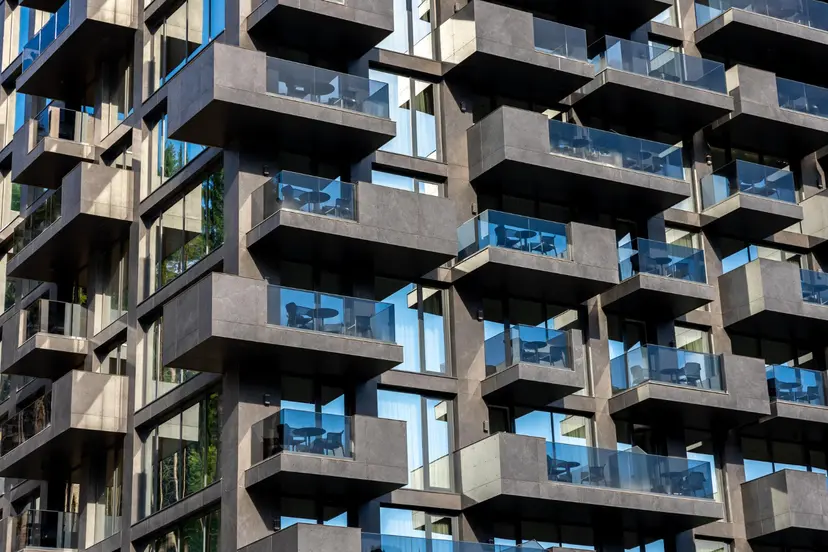
Strata Scheme
A Strata Scheme is a form of property ownership commonly used for apartments, townhouses, and mixed-use developments where individuals own their separate lot (such as a unit) while sharing ownership of common areas with other owners.
In New South Wales, strata schemes are governed by the Strata Schemes Management Act 2015.
Simple Definition
Strata Scheme = Individual ownership of a property within a shared building or complex, plus shared ownership of common areas.
Owners automatically become members of the owners corporation (formerly called the body corporate).
What Is Included in a Strata Scheme
A strata scheme divides the property into two main parts:
1. Individual Lots
These are the private areas owned by each owner, such as:
- Apartments
- Townhouses
- Villas
- Commercial units
The owner has full ownership of their lot.
2. Common Property
These are areas shared by all owners in the building or complex, including:
- Hallways
- Lifts
- Stairwells
- Driveways
- Gardens
- Building structure (roof, external walls)
These areas are maintained collectively.
Owners Corporation
All lot owners in the strata scheme form an owners corporation, which is responsible for managing the building and common property.
Responsibilities include:
- Maintenance of common areas
- Insurance for the building
- Managing strata funds
- Enforcing strata by-laws
- Organising meetings and budgets
The owners corporation is sometimes managed by a professional strata manager.
✅ Quick Summary
| Term | Meaning |
|---|---|
| Strata Scheme | Shared property ownership structure |
| Lot | Individually owned unit or apartment |
| Common Property | Shared areas of the building |
| Owners Corporation | Group managing the building |
| Strata Levies | Fees owners pay for maintenance |