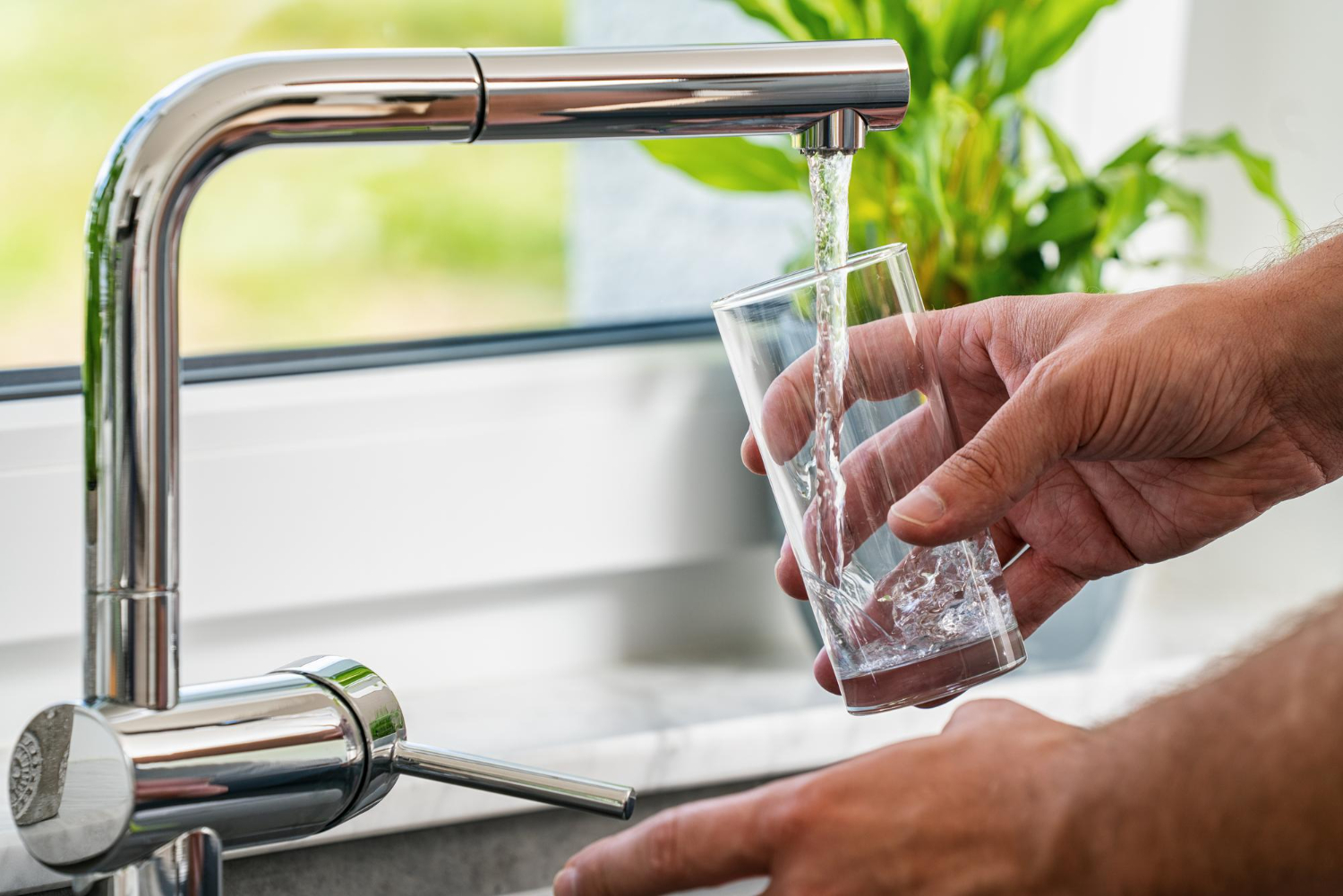
Landlords can pass on water usage charges to tenants if the property meets NSW water efficiency standards and this is stated in the lease.
Water Usage Charges (NSW Rentals)
In New South Wales, water usage charges in a residential tenancy refer to the amount a tenant pays for the actual water they consume during their lease period. These charges are separate from water supply or service charges, which are typically paid by the landlord.
Water usage can only be passed on to tenants if specific legal conditions are met under the Residential Tenancies Act 2010.
When Tenants Must Pay Water Usage
A tenant can be required to pay for water usage only if all three conditions are met:
- The rental agreement states the tenant must pay for water usage
The lease must clearly specify that the tenant is responsible for water consumption charges. - The property is separately metered
The premises must have its own water meter so the tenant’s usage can be accurately measured. - The property meets water efficiency standards
The property must comply with NSW water efficiency requirements.
NSW Water Efficiency Requirements
For a landlord to charge tenants for water usage, the property must have:
Bathroom
- Shower heads with maximum 9 litres per minute flow rate
Kitchen
- Internal cold water taps and single mixer taps with maximum 9L/min flow rate
Toilet
- Dual flush toilet with:
-
- Maximum 4.5L full flush
- Maximum 3L half flush
These requirements ensure tenants are not paying excessive water costs due to inefficient fixtures.
What Real Estate Agents and Tenants Should Look Out For
1. Lease Agreement Wording
Check that the tenancy agreement specifically states water usage is payable by the tenant. If this clause is missing, tenants cannot be charged.
2. Water Efficiency Certificate or Declaration
Agents should confirm the property complies with water efficiency standards. This is often documented in property management records.
3. Separate Metering
If a property shares a meter with another dwelling, tenants generally cannot be charged individually for water usage.
4. Billing Timeframes
Landlords or agents must provide tenants with a copy of the water bill and allow at least 21 days to pay.
5. Charging Only for Usage
Tenants can only be charged for:
- Water usage (consumption)
Landlords remain responsible for:
- Water supply charges
- Sewerage charges
- Service charges
Common Issues and Disputes
Typical problems that arise include:
- Tenants being billed when the property is not water efficient
- Charging tenants supply or sewerage charges incorrectly
- Billing without providing a copy of the water bill
- Charging for water when the property is not separately metered
Disputes are usually handled through NSW Civil and Administrative Tribunal if tenants challenge the charges.
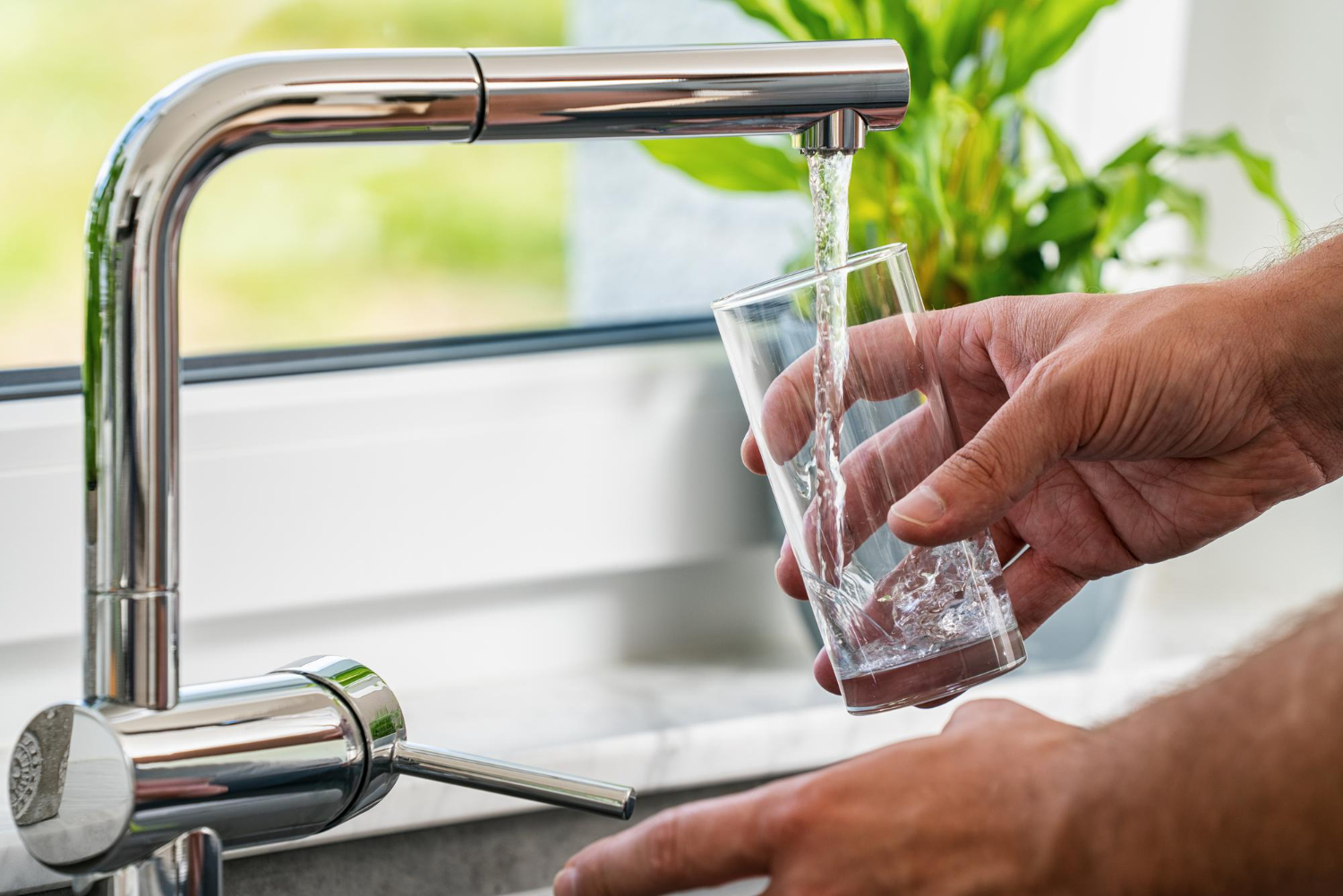
How Agents Calculate Tenant Water Bills in NSW
In NSW property management, real estate agents usually pass on only the water usage portion of the bill to the tenant. The process is straightforward but must follow the rules under the Residential Tenancies Act 2010.
Below is the typical method agents use.
Receive the Water Bill
The landlord or agent receives the quarterly bill from Sydney Water, Hunter Water, or the relevant water authority.
A water bill normally contains three sections:
- Water usage (consumption)
- Water service charge (supply)
- Sewerage service charge
Only water usage can be charged to the tenant.
Example bill breakdown:
| Charge Type | Amount |
|---|---|
| Water usage | $78.20 |
| Water service charge | $60.15 |
| Sewer charge | $92.40 |
Tenant pays: $78.20 only
✅ Quick Rule:
Tenant pays only water consumption and only for the days they lived in the property.